The First Ten Seconds: design the start so willpower isn’t needed
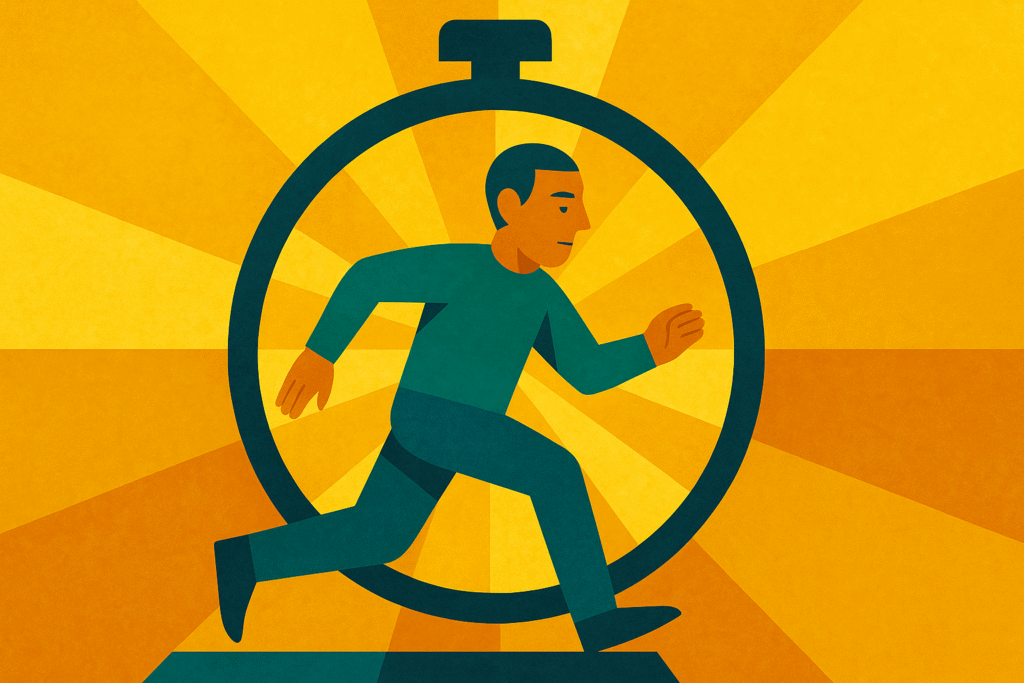
There’s a tiny piece of time that decides more than you think.
Not the hour on your calendar—the first ten seconds.
You open the laptop and your hand drifts toward mail. You step into the gym and suddenly need the “perfect playlist.” You stand in the kitchen and start rearranging spices as if the cumin is the reason dinner hasn’t begun.
Discipline doesn’t die from lack of strength. It leaks through messy starts. The humane fix isn’t a harsher voice—it’s a cleaner beginning.
Give the first ten seconds a design, and the rest of the session stops arguing with you.
Why the start matters (and what ten seconds actually do)
Your brain loves momentum and defaults. The first thing you touch becomes the path: inbox first → reactive day; doc first → creative day. Those first seconds are the hinge between intention and action. If the hinge is squeaky—searching for files, finding shoes, untangling headphones—your mind does what minds do: it bargains.
Design removes the bargain. Ten seconds become a single motion: hand → object → action. No options. No noise. You’re in.
A morning that worked by accident
I once left my laptop open on the exact paragraph I’d been avoiding. Not a to-do list, not a blank screen—the sentence itself, half-finished. In the morning my hand landed on the keys and the words continued before my doubts woke up. It felt like cheating. It wasn’t. It was a prepared start.
That day didn’t take more willpower. It took less friction.
What a designed start looks like (steal the feeling)
Think of a stage entrance: the lights go up, the actor steps into a scene that’s already set. You deserve the same.
- One object in reach that belongs to the task.
- One screen already open to the exact place work begins.
- One motion that counts as starting.
That’s the whole recipe. Not heroic. Just precise.
Start rigs (tiny setups that make beginnings inevitable)
Build a “start rig” for the things you do most. Keep it dumb, physical, and close.
Writing rig
- Laptop already open to the paragraph you’ll touch next.
- Full screen. One tab rule. Cursor blinking where you’ll add a line.
- First motion: hands on keys, write one ugly sentence.
Workout rig
- Shoes under the chair you sit on to tie them.
- Two dumbbells beside the doorway you pass.
- First motion: grip the bells and do five slow reps. (If it flows, keep going. If not, the session still started.)
Money rig
- Banking app bookmarked; spreadsheet open to the next empty row.
- A tiny sticky on the edge of your screen: “Reconcile 12–18.”
- First motion: click into the first empty cell and type one number.
Kitchen rig
- Pan on the stove, knife dry on the board, onions out.
- First motion: knife touches onion. (You’re cooking. The rest is momentum.)
Learning rig
- Lesson open to the timestamp you stopped on yesterday.
- Notebook and pen on the keyboard, so you must move them to begin.
- First motion: press play, write one line.
If it takes more than ten seconds to find the start, you don’t have a rig—you have a hunt.
The 3 rules for clean beginnings
- Visible beats perfect.
If the “right place” hides the thing, it’s the wrong place. Leave the guitar on a stand, not in a case. Put the book on the pillow, not the shelf. Order is for later; the start is for now. - One decision only.
Decide tonight where your hands land tomorrow. “I’ll figure it out in the morning” is a tax on discipline. Write the next line or choose the first movement before you walk away. - Start before you feel like it.
Feelings often arrive after motion. The first ten seconds aren’t a vibe check; they’re a trigger. Touch the work, then let your mood catch up.
“But afternoons are where I lose it.” Good—use a reset start.
Afternoons collapse for most people. The trick isn’t a motivational speech; it’s a fresh first ten seconds.
- Stand. Fill a glass. Walk to a different surface.
- Close everything. Reopen one screen that belongs to the task.
- Say out loud, “Next ten seconds: keys on doc.” Then touch the keys.
You just built a second morning. Short, honest, new.
Common snags (and small fixes)
“I forget to leave things ready.”
Tie the prep to an anchor you already do: when you turn off the lamp or put the mug in the sink, spend thirty seconds setting tomorrow’s start (file open, object placed, line written: “Start here → …”).
“I share my space; can’t leave stuff out.”
Make a portable rig: a small tray / tote with your essentials (headphones, pen, notebook, charger). When it’s time, the tray comes out; when you’re done, it goes away. The start still takes one motion.
“I need multiple apps.”
Fine—stack them in order. The task app on top, reference under it. No wandering. If you open a new tab, it must serve the line you’re on.
“My brain seeks variety.”
Give it variety after the first move. Ten seconds buys you entry; you can switch tasks later without losing the day.
A tiny story about stairs
A runner kept skipping workouts because the gym felt far, even when it was two streets away. He moved the first step to the bottom of his apartment stairs: down one flight and back up. If he still wanted to bail, he could. Ninety percent of the time he didn’t. The stairs were the designed beginning. The run was just what happened next.
The tone that helps (because self-talk is part of the setup)
Speak like someone you trust:
- “Just the first motion.”
- “Ten seconds, then decide.”
- “Make it obvious, then begin.”
Skip the theater:
- “If I don’t do an hour it doesn’t count.” (False. The start is the part you can guarantee.)
- “I’ll wait until it feels right.” (Also false. Feeling right is what beginning creates.)
Tonight: set one start
Before you close the day, pick one thing tomorrow deserves and set its first ten seconds.
- Open the exact file and write the next line: Start here → outline three bullets.
- Place the pan, the onions, and the oil.
- Put the shoes where your feet land.
- Bookmark the banking page and leave the cell selected.
Ten seconds of precision now is twenty minutes of ease tomorrow.
Tomorrow: use it once
When you arrive, don’t explain, negotiate, or warm up your guilt. Touch the thing your hands are meant to touch. Let your body feel how easy a clean beginning can be.
No app. No printable. No drama. Just a start so simple it keeps happening.
That’s daily discipline at human scale: not louder effort, just better entrances. Make the first ten seconds honest, and watch how often the rest follows.